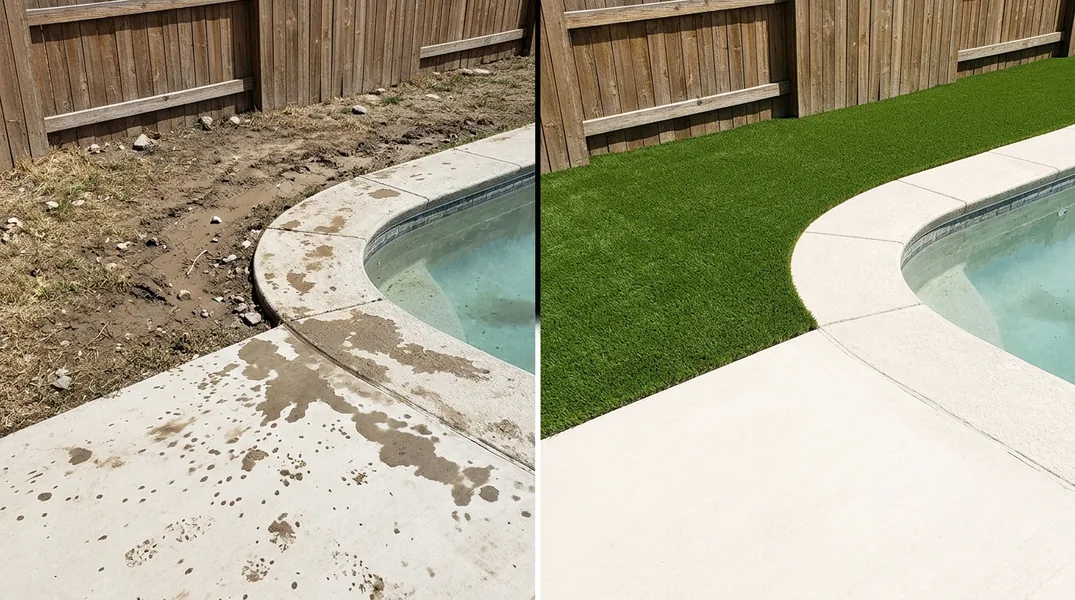
Understanding HOA Restrictions on Artificial Grass in Reno
If you own a home in a homeowners association (HOA) community in Reno, you already know that most HOAs maintain detailed architectural guidelines and landscaping rules. These restrictions exist to preserve property values and maintain neighborhood aesthetics, but they can sometimes feel limiting when you're considering modern solutions like artificial grass for your front yard.
The good news is that artificial grass has become increasingly accepted by HOAs across the country, and many Reno-area communities are updating their policies to allow it. However, not all HOAs treat artificial turf the same way. Some embrace it enthusiastically, while others have strict specifications about quality, color, and installation methods. Understanding your specific HOA's stance on artificial grass is the first step toward getting approval for your project.
Before you invest time and money into a Residential Artificial Grass Installation, take time to review your CC&Rs (Covenants, Conditions, and Restrictions) and architectural guidelines. These documents outline what's permitted on your property and what requires approval. Many homeowners are surprised to find that their HOA's rules are more flexible than they assumed, especially regarding landscaping upgrades that reduce water usage and maintenance.
Front Yard Artificial Grass: What HOAs Typically Allow
Front yards are often the most scrutinized areas in HOA communities because they directly impact curb appeal and neighborhood character. When it comes to front yard artificial grass, HOAs generally fall into one of three categories: those that explicitly allow it, those that require approval, and those that prohibit it entirely. The majority of HOAs in the Reno area now permit artificial grass in front yards, provided it meets certain quality standards.
Most HOAs that approve front yard artificial grass do so with conditions. They typically require that the turf look natural and well-maintained, which means premium-grade artificial grass is non-negotiable. Budget or low-quality turf that looks plastic or faded will likely be rejected. Additionally, HOAs often specify that the grass should match the color palette of surrounding lawns and that installation must be professional and seamless. They may also require that you maintain the turf regularly, including brushing, rinsing, and debris removal, to keep it looking fresh and attractive.
Some HOAs in Reno also impose restrictions on the percentage of your front yard that can be converted to artificial grass. For example, an HOA might allow artificial turf for the main lawn area but require natural landscaping elements like shrubs, trees, or hardscaping to remain visible. These rules are designed to maintain visual variety and prevent neighborhoods from looking too uniform or artificial. Understanding these nuances before you apply for approval will save you time and potential rejection.
The HOA Submittal and Approval Process
Most HOAs require homeowners to submit an architectural review request or modification application before installing artificial grass. This formal process protects both the community and the homeowner by ensuring that proposed changes align with neighborhood standards. The submittal typically includes detailed information about the product you plan to install, the scope of work, and often visual representations of how the finished project will look.
When preparing your HOA submittal, you'll generally need to provide product specifications for the artificial grass itself, including manufacturer information, color samples, and details about pile height and material composition. You may also need to include a site plan showing which areas of your property will be converted to turf, installation methods, and drainage plans. Some HOAs request before-and-after renderings or photographs showing how the artificial grass will integrate with your home's landscaping. The more professional and detailed your submittal, the higher your chances of approval on the first submission.
The approval timeline varies by HOA. Some communities review requests within two weeks, while others may take four to six weeks or longer. During this period, the architectural review committee evaluates your proposal against community guidelines and may request additional information or modifications. Having a professional installer like Reno Turf Installation prepare or assist with your submittal can significantly streamline this process. Our team understands local HOA requirements and can help ensure your application includes everything needed for quick approval. If you'd like guidance on navigating your HOA's specific requirements, we encourage you to contact us for a free estimate and consultation.
Common HOA Objections and How to Address Them
Even in communities that generally permit artificial grass, some architectural review committees raise objections during the approval process. Understanding the most common concerns and how to address them can help you prepare a stronger submittal. One frequent objection is that artificial turf looks fake or plastic, which is why selecting a high-quality product with a natural appearance is crucial. Premium artificial grass has evolved dramatically over the past decade and now features realistic color variations, natural blade shapes, and appropriate pile height that closely mimics real sod.
Another common concern is drainage and water management. Some HOAs worry that artificial grass will create pooling or drainage issues that could damage property or create pest problems. Addressing this concern head-on in your submittal is important. Professional installation includes proper grading and drainage systems that prevent water accumulation. Including drainage specifications and installation details in your HOA application demonstrates that you've thought through these practical concerns and are committed to a quality installation.
A third objection sometimes relates to maintenance and long-term appearance. HOAs may worry that artificial grass will degrade, fade, or become an eyesore over time. Countering this by providing information about the product's durability, UV resistance, and expected lifespan helps ease concerns. Additionally, committing to a regular maintenance plan in your submittal shows that you take the project seriously. Mentioning that you'll work with a professional installer who stands behind their work can also strengthen your case and demonstrate your commitment to maintaining neighborhood standards.
Working with Professional Installers to Meet HOA Standards
One of the smartest moves you can make when planning an artificial grass project in an HOA community is to partner with an experienced, professional installer who understands local requirements. At Reno Turf Installation, we've completed numerous projects in HOA communities throughout the region and understand the approval process intimately. We know which products meet the highest aesthetic standards, how to present projects to architectural committees, and what installation methods ensure long-term success.
Professional installers can also provide documentation and warranties that support your HOA application. When you work with us for your Residential Artificial Grass Installation, we supply product specifications, installation details, and maintenance recommendations that HOAs want to see. We use premium materials and proven installation techniques that result in a finished product that not only meets HOA standards but exceeds neighborhood expectations. Our work speaks for itself, and we're happy to provide references from other homeowners in HOA communities who have successfully completed projects with us.
Additionally, professional installers handle the technical aspects that HOAs care about, including proper grading, base preparation, and drainage installation. These behind-the-scenes elements are often what separate a project that passes HOA review from one that gets rejected. By entrusting your installation to experienced professionals, you're investing in a project that will satisfy your HOA, look beautiful for years to come, and provide the low-maintenance lawn you've been wanting. Call Reno Turf Installation at (775) 993-3807 to discuss your project and learn how we can help you navigate the HOA approval process.
Tips for a Smooth HOA Approval Experience
Getting your artificial grass project approved by your HOA doesn't have to be stressful. By following a few practical steps and preparing thoroughly, you can significantly improve your chances of approval and reduce the timeline. Start by reviewing your HOA's CC&Rs and architectural guidelines carefully. Make notes of any specific requirements related to landscaping, materials, or color. If the guidelines don't explicitly address artificial grass, reach out to your architectural review committee or HOA management company to ask about their policy. This preliminary conversation can save you from submitting an application that doesn't meet unstated expectations.
When preparing your submittal, present your proposal professionally and comprehensively. Include high-quality product samples or photos showing the color and texture of the artificial grass you plan to install. Provide detailed site plans, drainage diagrams, and installation specifications. Explain the benefits of your project, such as water conservation, reduced maintenance, and long-term cost savings. Frame your proposal in terms that resonate with your HOA's values. If your community emphasizes environmental responsibility, highlight the water savings. If they focus on property values, emphasize how a well-maintained artificial lawn enhances curb appeal.
Finally, be prepared to work collaboratively with your HOA if they request modifications or additional information. Respond promptly to requests, ask clarifying questions if you're unsure what's needed, and show flexibility. Most HOA objections aren't personal; they're about maintaining community standards. By demonstrating that you take these standards seriously and are willing to work within the system, you build goodwill with the review committee. If you're navigating this process for the first time or feel uncertain about any step, Reno Turf Installation is here to help. We've guided many homeowners through HOA approvals and can provide the expertise and documentation you need. Reach out to us for a free estimate and let's get your project approved and installed.
Looking for a professional artificial grass installation company in Reno? Reno Turf Installation responds fast for all your artificial grass installation needs.
Get a Free Quote